
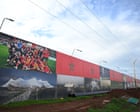
With the countdown to the 2030 FIFA World Cup now at just over 1,400 days, Morocco, one of the co-hosts, is confronted with a range of challenges reminiscent of those faced by South Africa during its own World Cup preparations. The nation recently made headlines with its impressive run in the 2022 World Cup, where they reached the quarter-finals before being eliminated by France.
Despite the excitement surrounding their historic achievement, the Moroccan Football Federation (FRMF) is not allowing its officials to rest on their laurels. The focus now shifts to the immediate future, as Morocco prepares to host the Women’s Africa Cup of Nations (Wafcon) starting this Sunday in Rabat. This tournament will feature an expanded format with 16 teams, showcasing the growing prominence of women's football in the region.
Following Wafcon, Morocco will also take the spotlight in the autumn when it hosts the Under-17 Women’s World Cup. These upcoming events not only serve as a platform for showcasing talent but also as crucial preparation for the country’s larger role in the 2030 World Cup. The successful execution of these tournaments is vital for building infrastructure and gaining experience in hosting international competitions.
As Morocco navigates these challenges, the focus will be on addressing logistical issues, ensuring adequate facilities, and managing costs associated with hosting such high-profile events. The legacy of the 2030 World Cup is also a pressing concern, as officials aim to leave a lasting impact on the country’s football landscape and infrastructure.
In addition to the immediate preparations for Wafcon and the Under-17 Women’s World Cup, Morocco's football authorities are likely to draw lessons from past tournaments, particularly regarding fan engagement and operational efficiency. The experiences of previous World Cup hosts will be invaluable as Morocco seeks to create a memorable event for players and fans alike.
As the nation embarks on this journey, the eyes of the football world will be on Morocco, not just for its role as a co-host in 2030, but also for its commitment to advancing the game at all levels. The next few years will be crucial in shaping the future of Moroccan football and its standing on the international stage.


Leave a Comment