
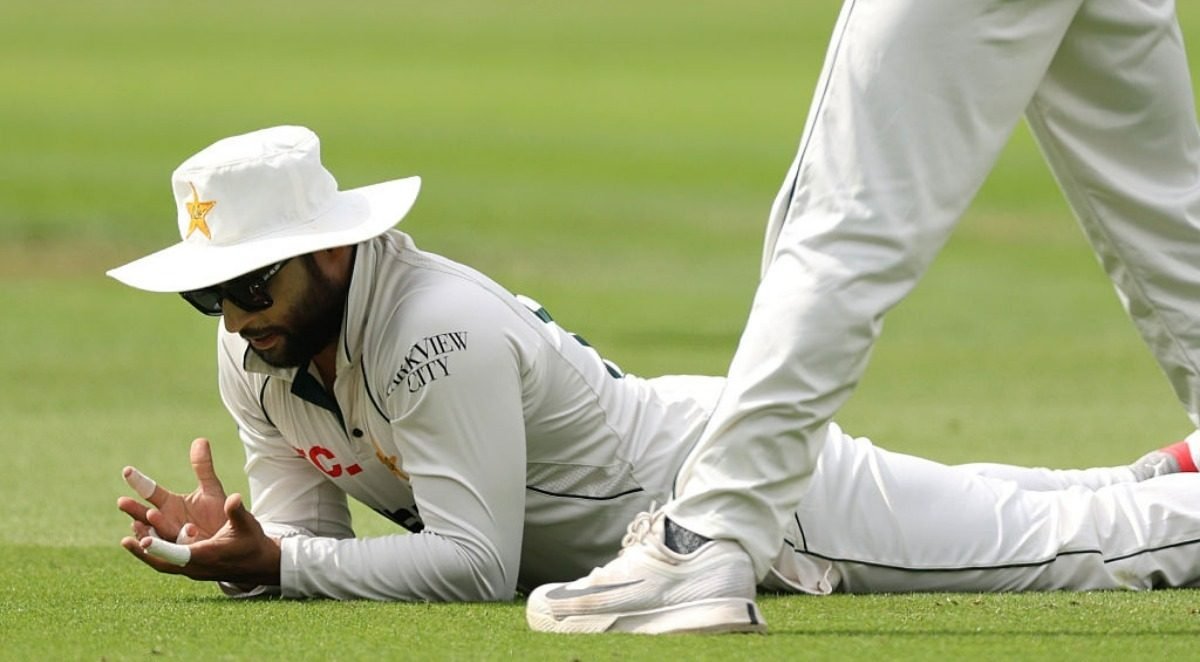
In a dramatic turn of events, Pakistan cricket is undergoing significant changes following their recent 2-0 series defeat to England. The team has released seven players, dismissed head coach Sarfaraz Ahmed and bowling coach Umar Gul, and called up a mix of five uncapped and two capped players for the upcoming third Test at Edgbaston. This overhaul comes in the wake of a disappointing performance, leaving Pakistan at the bottom of the World Test Championship table.
The series loss to England marked Pakistan's 15th defeat in their last 20 Test matches, raising serious concerns about the team's direction and performance. The decision to make such sweeping changes, although perhaps necessary given the team's struggles, highlights the chaotic nature of Pakistan cricket. The upcoming match at Edgbaston, now a dead rubber, will see a vastly altered squad as the team seeks to regain some semblance of form.
Among the notable changes is the removal of Salman Ali Agha, who had briefly captained the team at Headingley. After being dropped for the Lord's Test due to concerns about his batting form, he has now been sent home entirely. Similarly, Ali Usman, who made a significant impact by taking five wickets in the second innings at Headingley, has also been released from the squad.
Imam-ul-Haq's situation is equally perplexing. Although he was ruled out of the Lord's Test due to a calf injury, his commitment to rehabilitation was evident when he appeared for batting practice. However, he too has been sent back home, raising questions about the team's decision-making process regarding player fitness and selection.
Other players returning home include Mohammad Rizwan, who has struggled for form, and Khurram Shahzad, who failed to make an impact. Aamer Jamal and Awais Zafar, who did not feature in any matches, are also part of the exodus. The coaching staff has not been spared either, with Ahmed and Gul being replaced just months after their appointments. Mike Hesson and Ashley Noffke, who have previously worked with the team, are stepping in to fill the void.
The new squad features a blend of fresh talent and experienced players. Saad Baig, who topped the run charts in the last Quaid-e-Azam Trophy, and right-arm pacer Mohammad Imran Randhawa, who has a solid first-class record, are among those called up. However, the selection of players like Saim Ayub, who has had limited first-class experience recently, raises eyebrows and reflects the uncertainty surrounding the team's strategy.
In a further twist, the Pakistan Cricket Board (PCB) has even turned to LinkedIn to advertise for a new fielding coach, indicating the extent of the upheaval within the organization. The job listing emphasizes the need for a candidate who can work effectively with a diverse group, a skill that seems increasingly necessary given the current turmoil.
As Pakistan cricket grapples with its identity and direction, the recent changes underscore the challenges faced by the team. The lack of a coherent strategy and the rapid turnover of players and coaches make it difficult to envision a clear path forward. With Misbah-ul-Haq and Asad Shafiq resigning from the selection committee amid these changes, the future of Pakistan cricket remains uncertain as they prepare for their next challenge against England.

Leave a Comment