
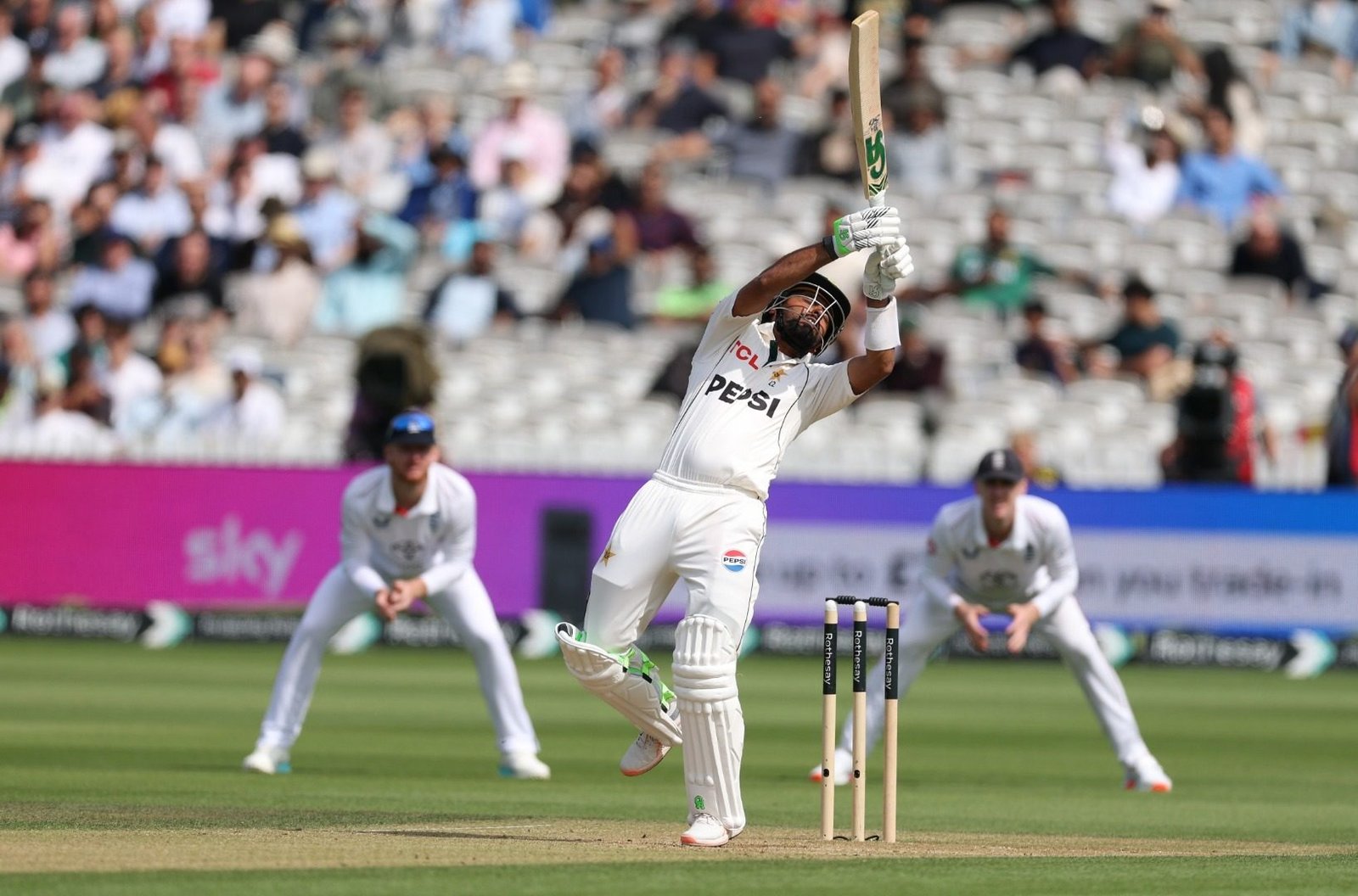
The ongoing Test series between Pakistan and England has shed light on the alarming decline of the Pakistani cricket team, which has drawn criticism for its lack of fight and competitiveness. Following two heavy defeats in the first two Tests, fans and analysts alike are questioning the team's spirit and ability to respond to challenging situations.
During the first Test, many supporters were outraged by what they perceived as excessive criticism from the English media, with claims that Pakistan was the 'worst side in 50 years' circulating widely. However, by the time the second Test arrived, the focus shifted from media scrutiny to the team's performance, which has been characterized by a troubling sense of apathy and disinterest.
Pakistan's struggles are particularly concerning given their recent history in the World Test Championship, where they finished last in the previous cycle and appear to be heading in the same direction this time around. The team's inability to put up a fight in the face of adversity was starkly evident as they suffered two heavy defeats, with rain in London preventing what could have been consecutive three-day Tests.
While it is difficult to quantify a player's fight on the pitch, numerous incidents during the series suggested a lack of commitment from the players. Bowling coach Umar Gul's post-match comments blaming the weather for their poor performance raised eyebrows, as many players had prior experience playing in England. This statement hinted at a lack of accountability within the team.
Moreover, the situation was exacerbated by the performance of stand-in captain Salman Ali Agha, who, after a disappointing outing, joked about returning the captaincy to Babar Azam. This lightheartedness in the face of a serious leadership void raised questions about the team's mentality and commitment to their roles. Agha's subsequent omission from the squad for the next Test only deepened the concerns surrounding the team's leadership dynamics.
One of the most glaring examples of the team's lack of fight came from opener Imam-ul-Haq, who, after injuring his calf, chose not to bat as Pakistan struggled to post a competitive total. This decision drew criticism from former players, including Nasser Hussain, who questioned Imam's commitment to supporting his teammates during a difficult phase of the match.
As the series progressed, it became clear that the issues plaguing the team extended beyond individual performances. The players repeatedly fell into obvious traps set by the English bowlers, and their fielding lapses continued to cost them dearly. The wicketkeeper and slip fielders often stood back, allowing edges to slip through, further exemplifying the team's lack of urgency and focus.
Despite the dire situation, there is a case to be made for maintaining continuity within the squad. The Pakistan Cricket Board (PCB) has faced criticism for its frequent changes to the team, but the current roster has shown that they have the potential to perform at this level. However, the mental aspect of the game appears to be a significant hurdle, with reports of unpaid salaries and disciplinary actions potentially contributing to the players' lack of fight.
In light of these challenges, the PCB may need to consider a more stable approach, allowing players to develop a sense of security and identity within the team. With experienced leaders like Babar Azam and coach Sarfaraz Ahmed at the helm, there is hope for a turnaround, but it will require time and patience to rebuild the team's culture and resolve.
Ultimately, the Pakistan cricket team must confront its issues head-on and rediscover the fighting spirit that once defined its legacy. Without a renewed commitment to excellence and resilience, the team risks continuing its downward spiral in international cricket.



Leave a Comment