
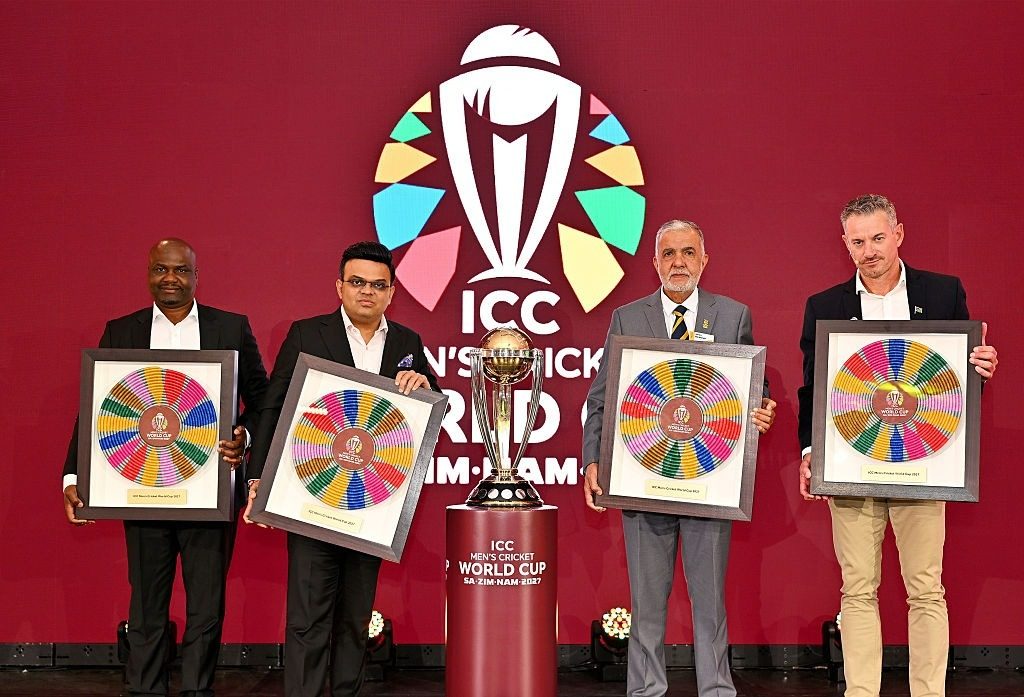
The International Cricket Council (ICC) recently announced significant changes to the format of the ODI World Cup, a decision that has drawn sharp criticism from associate cricket nations, particularly Scotland and the Netherlands. The new structure, revealed in July, aims to expand the tournament from 10 to 14 teams but has raised concerns regarding the representation and opportunities for associate teams.
Under the revised format, the bottom three teams that qualify for the World Cup will enter a newly created 'Super Series' stage, where only one team will advance to the main group stage. This round will feature the top eight teams in the ICC men's ODI rankings, along with the co-hosts South Africa and Zimbabwe, and the winner of a global qualifier. The remaining teams from the qualifier will face each other in a round-robin format, with the top team securing a spot in the group stage.
The group stage will consist of 12 teams divided into two groups of six. The top three teams from each group, along with the best fourth-placed team, will progress to the Super 7 round, culminating in the semifinals. This new format marks a departure from the previous structure, which allowed 14 teams to compete in two groups of seven, with the top two from each group advancing to the knockout rounds.
Scotland and the Netherlands, alongside other associate boards, have expressed their discontent through a joint statement, criticizing the ICC for implementing such significant changes with less than 18 months until the tournament. They argue that the alterations undermine the progress made in promoting associate cricket and send a negative message at a time when the sport is striving to broaden its appeal and audience.
In their statement, Cricket Scotland and the Royal Dutch Cricket Association highlighted their disappointment with the lack of consultation from the ICC regarding these changes. They emphasized the importance of engaging with associate members to ensure that decisions affecting their future are made transparently and with adequate notice. The boards have requested more clarity on the decision-making processes and a commitment from the ICC to include them in future discussions.
They further noted that the opportunity to compete in a World Cup is crucial for associate countries, as it drives investment, inspires players, and attracts commercial support. The statement underscored that many memorable moments in cricket history have come from associate nations challenging and defeating full member teams, reinforcing the idea that success should be earned on the field.
Cricket Scotland and the KNCB are calling for the ICC to re-engage with associate members, advocating for a collaborative approach that prioritizes the long-term interests of the global game. They believe that a truly competitive ICC Men’s Cricket World Cup can only be achieved by providing genuine opportunities for all member nations to compete and succeed.



Leave a Comment