
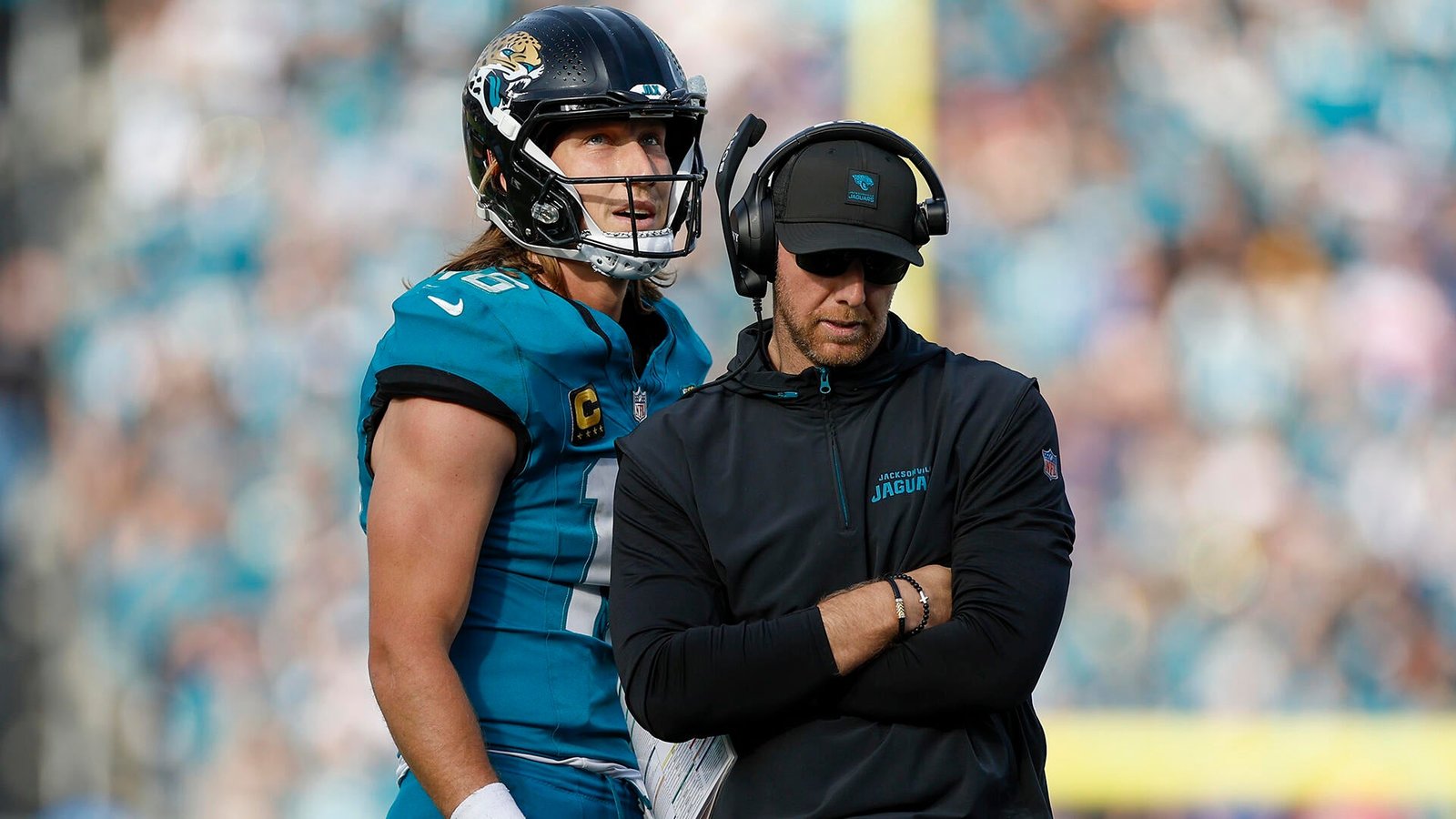
Over the past decade, the National Football League (NFL) has witnessed a notable decline in its once-explosive passing game. Gone are the days when quarterbacks routinely posted staggering yardage totals and offensive strategies revolved around high-octane aerial attacks. Instead, teams are now focusing on a more balanced approach, leading to a significant shift in how the game is played. This article delves into five key reasons for this transformation and considers whether the passing game can ever regain its former glory.
One of the primary factors contributing to the decline of the passing game is the evolution of defensive strategies. In recent years, defensive coordinators have adapted to the league's offensive trends by implementing schemes designed to counteract the deep passing threats that once defined the NFL. With an emphasis on zone coverage and disguising blitzes, defenses have become more adept at neutralizing quarterbacks and their receiving corps. As a result, many teams have opted to prioritize shorter, safer passes rather than taking risks downfield.
In addition to defensive adjustments, the NFL's rules have also played a significant role in shaping the passing landscape. While many rule changes have been instituted to protect quarterbacks and promote scoring, they have inadvertently led to a more conservative approach to passing. For instance, penalties for roughing the passer have made quarterbacks more cautious, as they are aware of the potential for injury. This heightened awareness has led to a trend of quarterbacks opting for quicker releases and shorter throws, further diminishing the explosive passing game.
Another contributing factor is the growing emphasis on the running game. Teams have increasingly recognized the value of a strong ground attack, which not only controls the clock but also opens up opportunities for play-action passes. By establishing a solid running game, offenses can create mismatches and exploit defensive weaknesses, leading to higher efficiency on shorter passes rather than relying solely on deep throws. This shift in philosophy has resulted in fewer passing attempts overall, as teams are more inclined to run the ball and manage the game clock.
Furthermore, the influx of young quarterbacks into the league has brought about a new dynamic. Many of these emerging stars have displayed exceptional athleticism and mobility, leading to a trend of dual-threat quarterbacks who can extend plays with their legs. While this has added excitement to the game, it has also shifted the focus away from traditional pocket passing. As more quarterbacks utilize their athleticism to evade pressure and make plays outside the pocket, the reliance on conventional passing strategies has diminished.
Lastly, the increasing prevalence of injuries among key players has also impacted the passing game. Quarterbacks and star receivers have faced significant injury challenges, leading to instability within offenses. When teams are forced to rely on backup quarterbacks or inexperienced receivers, the effectiveness of the passing game naturally declines. This has prompted coaches to adjust their game plans, often opting for more conservative approaches to mitigate the risks associated with injuries.
In conclusion, the decline of the NFL's passing game over the past decade can be attributed to a combination of defensive innovations, rule changes, a renewed focus on the running game, the emergence of mobile quarterbacks, and the impact of injuries. As the league continues to evolve, it remains to be seen whether the explosive passing game can make a comeback or if teams will continue to prioritize a more balanced approach in their offensive strategies.

Leave a Comment