
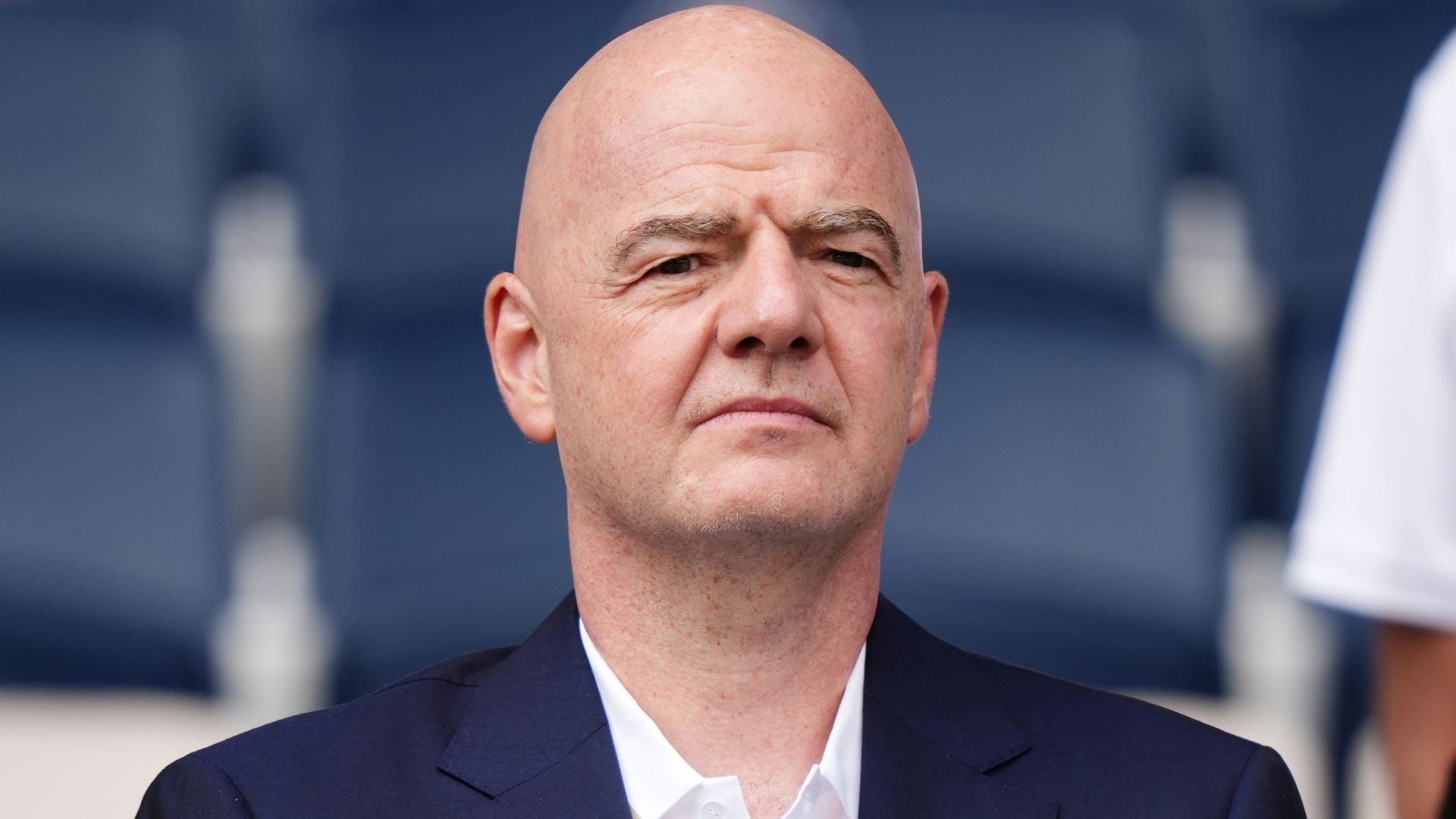
UEFA, the governing body for European football, has publicly acknowledged that it is aware of allegations suggesting that it made payments to a woman purportedly linked to Gianni Infantino, the current president of FIFA. This revelation raises significant questions about the financial practices and ethical standards within the organization.
Infantino, who served as UEFA's general secretary from 2009 until 2016 before taking the helm at FIFA, has been a controversial figure in the world of football administration. The allegations imply that during his time at UEFA, the organization may have engaged in questionable financial dealings, which could tarnish its reputation further.
The specifics of the allegations have not been fully disclosed, but they suggest that UEFA may have settled with the woman in question, who is said to have had a personal relationship with Infantino. Such claims could have serious implications for both UEFA and FIFA, particularly as they navigate ongoing scrutiny regarding governance and transparency in football.
This situation comes at a time when both organizations are under the microscope for various issues, including the integrity of their operations and the management of funds. UEFA, in particular, has been working to improve its public image and address concerns about corruption and mismanagement in football.
As the governing body responsible for overseeing major competitions such as the UEFA Champions League and the European Championship, UEFA's credibility is crucial to maintaining trust among fans, clubs, and national associations. Allegations of this nature could undermine that trust and lead to calls for greater accountability.
While UEFA has not commented in detail on the specific allegations, its acknowledgment of the situation indicates a recognition of the potential fallout. The organization is likely to face pressure to investigate the claims thoroughly and provide clarity to stakeholders about its financial dealings during Infantino's tenure.
As this story develops, it will be essential for UEFA to address these allegations transparently to restore confidence among its constituents and the broader football community.



Leave a Comment